
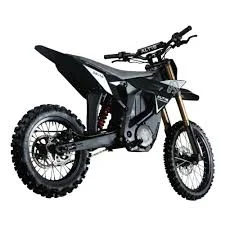
Owning an off-road motorcycle comes with a responsibility that extends beyond riding. Regular maintenance helps preserve performance, improves safety, and can prevent small issues from becoming expensive problems. Although electric motorcycles have fewer engine-related components than traditional petrol-powered dirt bikes, they still require consistent care.
An Electric dirt bike can encounter mud, dust, water, rocks, and repeated impacts during normal trail use. These conditions make routine inspections especially important. Riders who develop a simple maintenance routine can keep their bike in better condition while enjoying more dependable rides.
Start With a Basic Inspection
A quick inspection before and after riding can identify problems early. Before heading onto a trail, check the tires for visible damage, unusual wear, or objects that may have become embedded in the tread. Examine the brake levers and make sure they operate smoothly without unusual resistance.
The chain should also receive attention. Look for excessive slack, visible damage, or signs of poor lubrication. A loose or neglected chain can affect power transfer and may create unnecessary wear on the drivetrain.
After a ride, especially on muddy or rocky trails, inspect the frame and underbody for accumulated dirt or debris. Early detection is usually much easier than repairing a component after it has failed.
Keep the Drivetrain Clean
The drivetrain transfers motor power to the rear wheel, making it an important part of the motorcycle’s operation. Dirt and grit can accumulate around the chain, sprockets, and other moving components during off-road riding.
Cleaning these areas regularly helps reduce abrasive buildup. Use suitable cleaning equipment and avoid aggressive methods that could force water or debris into sensitive electrical areas. Once the drivetrain is clean and dry, apply an appropriate chain lubricant according to the manufacturer’s recommendations.
Pay particular attention to sprocket teeth. Excessive wear, hooked teeth, or damaged components can indicate that replacement may be necessary.
Look After the Brakes
Reliable braking is essential when riding uneven terrain. Mud, dust, and repeated braking can contribute to component wear, so riders should inspect their braking system regularly.
Check brake pads for sufficient material and look for unusual scoring or damage. Brake levers should feel consistent, and any sudden change in braking performance deserves attention before the next ride.
If a rider notices grinding sounds, reduced braking power, or unusual lever behavior, it is better to investigate the issue promptly rather than continuing to ride and hoping it disappears.
Care for the Battery and Electrical Components
Electric motorcycles depend on their battery and electrical systems, so these components deserve careful handling. Riders should follow the manufacturer’s instructions for charging, storage, and inspection rather than relying on general assumptions.
Keep charging connectors clean and dry. Inspect cables and visible connections for signs of damage, excessive wear, or loose fittings. If an electrical component appears damaged, it should be addressed before riding.
Battery storage conditions can also matter. Extreme temperatures may affect battery performance and long-term condition, so following the recommended storage guidelines is an important part of ownership.
Clean the Bike Carefully
Off-road riding can leave an electric motorcycle covered in mud and dust. Cleaning it after demanding rides can help prevent buildup around moving components.
However, cleaning should be done carefully. Avoid directing high-pressure water at electrical connectors, bearings, displays, or other sensitive areas. Instead, use controlled water flow and appropriate cleaning tools.
Once the motorcycle has been cleaned, allow it to dry properly before storing or charging it. This simple step can help reduce unnecessary moisture exposure.
Check Suspension and Fasteners
Suspension components experience considerable movement during trail riding. Regularly examine the fork, rear suspension, and associated hardware for visible leaks, damage, or unusual movement.
It is also worthwhile to check important fasteners periodically. Repeated vibration and impacts can affect hardware over time. Riders should use the manufacturer’s recommended torque specifications rather than tightening components excessively.
If the suspension suddenly feels different or the bike develops unusual movement, professional inspection may be appropriate.
Consider Your Riding Environment
Maintenance needs can vary depending on where and how frequently a motorcycle is ridden. A bike used primarily on dry trails may require a different cleaning routine from one regularly exposed to deep mud or wet conditions.
Riders who frequently encounter sand should pay particular attention to areas where fine particles can accumulate. Those riding muddy terrain should prioritize cleaning soon after returning home.
Keeping a simple maintenance record can also be useful. Recording inspections, component replacements, and servicing dates makes it easier to identify recurring problems.
Exploring Reliable Electric Off-Road Options
Maintenance becomes easier when riders understand the design of their motorcycle and use components suited to its intended purpose. The Surron range is one example of the growing selection of electric off-road motorcycles available to enthusiasts. Regardless of the model, the basic principle remains the same: regular inspections and responsible care are essential for dependable riding.
Conclusion
Electric dirt bikes may eliminate many traditional engine maintenance tasks, but they still need attention after every demanding ride. Tires, brakes, chains, suspension, fasteners, batteries, and electrical connections all deserve regular inspection.
A consistent maintenance routine does not have to be complicated. Spending a few minutes checking the motorcycle before and after riding can help identify problems early, protect important components, and contribute to a safer and more enjoyable off-road experience.

