
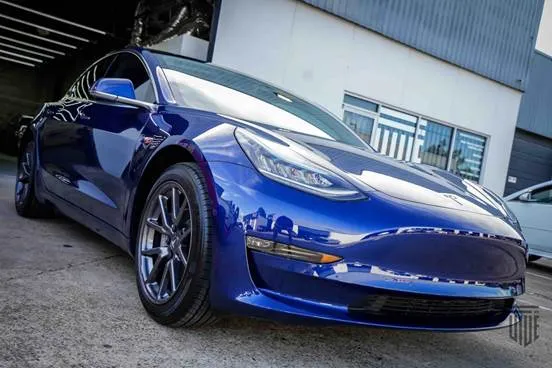
Keeping your car looking new is a priority for many vehicle owners. Daily driving exposes your vehicle to dust, sunlight, road debris, and minor scratches that can slowly damage the paint. To prevent this, many car enthusiasts turn to modern paint protection solutions. Two of the most popular options today are ceramic coating and paint protection film (PPF). Understanding the differences between these two solutions can help you choose the right protection for your vehicle.
When comparing ceramic coating vs paint protection film, it’s important to understand that both serve the same overall purpose: protecting your vehicle’s exterior. However, they work in different ways and offer different levels of protection.
Ceramic coating is a liquid polymer applied to the exterior surfaces of a car. Once applied, it chemically bonds with the factory paint, creating a protective layer. This layer enhances the vehicle’s shine and provides hydrophobic properties, meaning water and dirt slide off the surface more easily. Because of this feature, ceramic coatings make car washing much easier and help keep the vehicle cleaner for longer periods.
One of the biggest advantages of ceramic coating is its ability to protect against environmental contaminants. UV rays, bird droppings, tree sap, and minor chemical stains can damage paint over time, but a ceramic coating helps minimize that risk. Additionally, ceramic coating enhances gloss and depth in the paint, giving the vehicle a polished, showroom-like appearance.
However, ceramic coating does have limitations. While it offers resistance to small scratches and swirl marks, it does not provide strong physical protection from rock chips or larger debris. This is where paint protection film comes into play.
Paint protection film, often referred to as PPF or clear bra, is a transparent urethane film applied directly to the painted surfaces of a car. The film is thicker than ceramic coating and acts as a physical barrier between the paint and external hazards. It is specifically designed to absorb impacts from road debris, stones, and other objects that might chip or scratch the paint.
One of the standout features of modern paint protection films is their self-healing capability. Many high-quality PPF products can repair light scratches and swirl marks when exposed to heat from sunlight or warm water. This allows the film to maintain a smooth and clear appearance even after minor damage.
Because of its durability, PPF is commonly applied to high-impact areas such as the front bumper, hood, side mirrors, and fenders. Some vehicle owners choose full-body PPF coverage for maximum protection, especially for luxury or high-performance cars.
While PPF provides stronger physical protection, it typically costs more than ceramic coating due to the material and labor involved in installation. The process requires precision cutting and professional application to ensure the film fits perfectly without bubbles or visible edges.
Another factor to consider is maintenance. Ceramic coatings make regular washing easier due to their hydrophobic properties, while PPF focuses more on protecting against physical damage. In many cases, car owners combine both solutions by applying paint protection film to vulnerable areas and then adding ceramic coating on top for enhanced shine and easier cleaning.
Ultimately, the choice between ceramic coating and paint protection film depends on your priorities. If you want enhanced gloss, easier maintenance, and protection from environmental contaminants, ceramic coating is a great option. If your main concern is preventing rock chips and physical damage to the paint, paint protection film may be the better choice.
Both solutions offer valuable benefits and can significantly extend the life and appearance of your vehicle’s paint. By understanding their differences, you can select the protection method that best suits your driving habits, budget, and long-term vehicle care goals.

